Taking too long? Close loading screen.


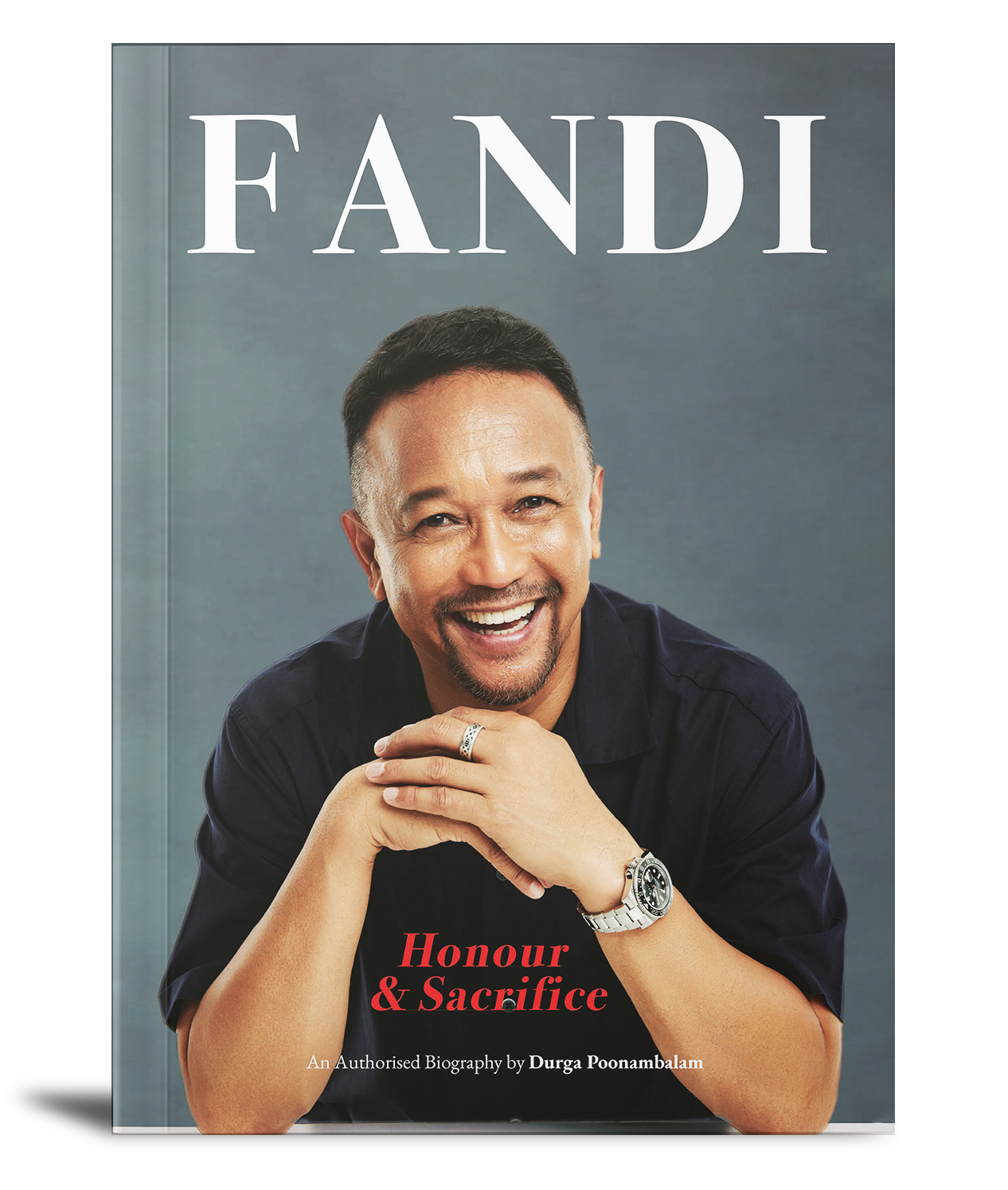
Few names mean as much in Asian football as Fandi Ahmad. To a whole generation, he was the heartland boy who practised under streetlights and went on to wear the national colours with pride. The authorised biography, Honour & Sacrifice, by Durga Poonambalam, brings that journey together in one book. It works as sports history, family story, and a quiet study of what it costs to chase something larger than yourself.
The honesty is what makes it land. The book never treats Fandi Ahmad as a polished legend. It shows the doubt, the long flights, the homesickness, and the hard choices made far from any pitch. In a way, reading it mirrors how fans spend their evenings now. You follow highlights on a phone, check a score, then unwind with a round at lazybar casino before the next game. The story fits naturally into that blend of devotion and downtime.
Fandi came through when Singapore football still believed it could face anyone. His move to Europe was rare for a player from the region, and it made him a symbol of what could be done. People did not simply watch him play. They saw a version of themselves on a bigger stage. That kind of shared pride cannot be faked, and it explains why his name still feels warm decades later, even among fans who only know him through stories and old footage. The book captures that era with care, reminding younger readers that his rise was never guaranteed and that every step forward had to be earned in full.
The biography follows this path without tipping into hero worship. It stays with the small moments – training in the heat, the backing of family, the weight of expectation – and lets them carry the meaning. The themes the book returns to are easier to see side by side.
| Theme | What it explores | Why it stays with readers |
|---|---|---|
| Belonging | Roots, family, and home | It mirrors the reader’s own ties |
| Ambition | Leaving comfort for growth | It rewards anyone who has taken a risk |
| Honour | Choices made under pressure | It defines character beyond results |
| Sacrifice | What success quietly costs | It feels honest rather than polished |
Being authorised gives the book access that casual profiles never get. Family voices, personal memories, and small private details give it real texture. Durga Poonambalam turns these into a story that moves, not a list of dates and scorelines. It reads like a long talk with someone who was actually there. Quotes from people close to him sit beside wider context, so the reader never gets lost in jargon or in time.
Readers keep pointing to a few things that set this account of Fandi honour and sacrifice apart from shorter write-ups.
A good biography does not ask you to admire someone. It asks you to understand them, and admiration follows on its own.
The understanding comes slowly. The book trusts you to sit with the harder chapters instead of racing toward the wins. That patience is rare in sports writing, and it gives the biography a calm authority that quick profiles cannot match.
The way we connect with athletes has changed for good. A supporter no longer waits for the weekend paper to track a hero. Feeds refresh in seconds, clips cross borders, and one goal gets replayed a thousand times before bed. A story like this now competes for attention inside a crowded stream of digital entertainment.
That change is not all loss. It also lets a book like Honour & Sacrifice reach people who never saw Fandi play. The table below shows how following him has shifted over time.
| Era | How fans engaged | What was missing |
|---|---|---|
| Stadium years | Live crowds, radio, print | Instant replays |
| Early internet | Forums and fan sites | Personal access |
| Social media | Clips, reactions, sharing | Depth and context |
| Long-form books | Full life, real reflection | Speed |
So the biography gives readers the one thing a feed cannot. It slows the story down long enough to matter. For many readers, that slower pace is what turns a familiar name into a person they feel they finally know.
Take away the trophies and the travel, and the core of the Fandi Ahmad honour and sacrifice story is resilience. The book keeps coming back to how he met disappointment, distance, and the limits of his own body. These are not really football lessons. They are life lessons, told through the game. The lessons arrive without lectures, carried by real moments rather than tidy advice, which is why they tend to stick.
Readers often find the quiet pages most useful. A handful of ideas tend to stay with them well after the last chapter.
Resilience is rarely loud. More often it is simply showing up, again, after a day that gave you every reason not to.
That calm view of toughness is a big part of why the book reaches well past sport.
The reason Honour & Sacrifice keeps finding new readers is simple. We are drawn to people who hold success without losing themselves. Fandi’s story carries that rare balance of ambition and grace. It speaks to anyone weighing what they will give up for something they love – a sport, a craft, or a family. In a fast, noisy world, a steady story like this one feels close to relief.